Amber Finally Challenges Wayne Over His Podcast Deal!
When Wayne and Amber Really Go at It
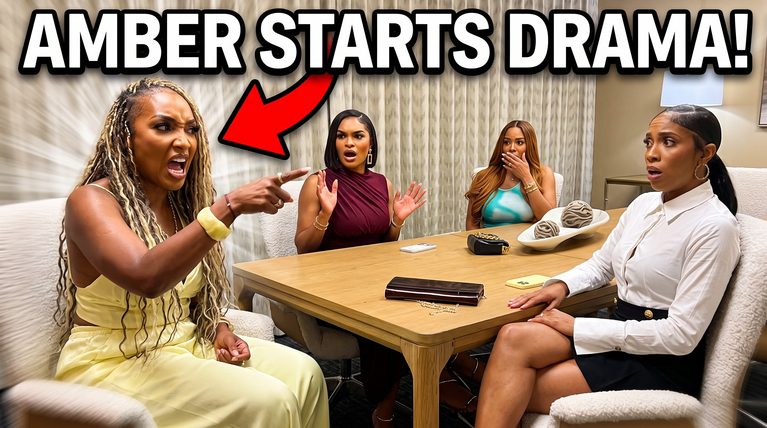
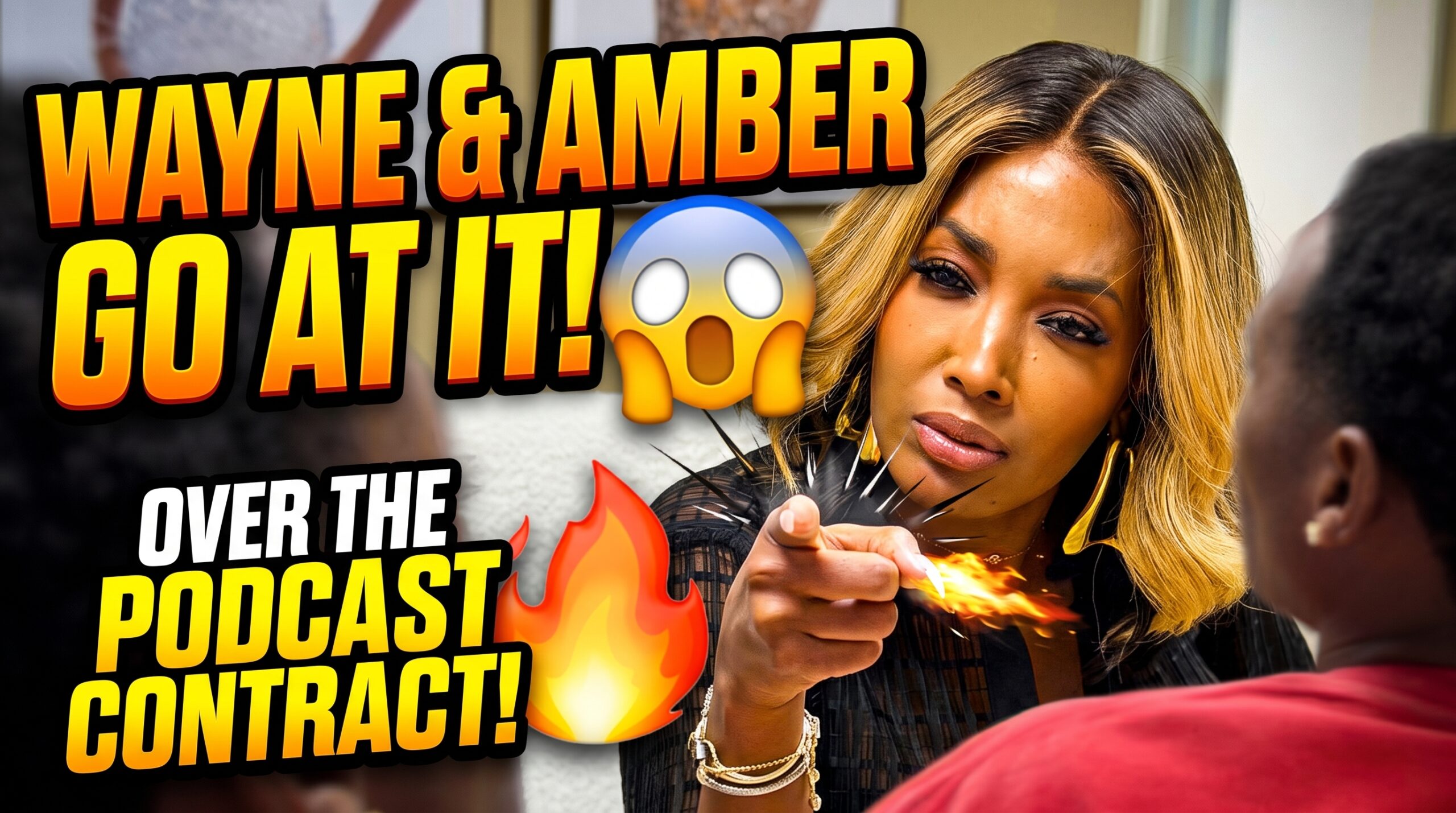
The conversation starts like a normal business discussion, but it quickly turns into one of the most intense arguments between Wayne and Amber. What begins as a debate about podcast contracts soon becomes a much bigger conversation about money, ownership, trust, hard work, and the value of building a brand.
Both sides believe they have a strong argument, and neither one seems willing to back down. Wayne sees himself as the person who created the foundation of the brand, while Amber believes the people helping build the podcast should receive a bigger piece of the success.
Amber Wants More Than Just a Paycheck
Amber’s biggest concern is the structure of the deal. She doesn’t want to simply work on the podcast, receive a payment, and walk away while the overall value of the business continues to grow.
From her perspective, the podcast isn’t successful because of one person alone. It takes a team to create episodes, bring energy to the show, entertain viewers, and keep the audience coming back.
Amber believes that if the team is contributing to the growth of the podcast, they should have an opportunity to benefit from that growth.
Her argument is simple: if the podcast becomes significantly more valuable in the future, the people who helped build that success shouldn’t necessarily be stuck with the same deal they accepted at the beginning.
That is where the conversation starts getting serious.
Wayne Sees the Situation Differently
Wayne doesn’t deny that the team works hard. However, he sees the business from a completely different perspective.
Before the podcast existed, Wayne had already spent years building his name, audience, reputation, and entertainment brand. He believes that history has real financial value.
In his mind, the podcast is connected to a much larger brand that he built long before the current team became involved.
Wayne uses sports comparisons to explain his point. Superstars in professional sports don’t receive the same treatment as players who are just joining a team because their names and accomplishments already carry enormous value.
His argument is that the person who brings the established audience and brand recognition naturally has more ownership and leverage.
For Wayne, this isn’t simply about who works the hardest.
It’s about who created the foundation.
The Real Argument Is About Leverage
As the discussion continues, Wayne brings up one of the most important ideas in business: leverage.
He essentially argues that having a strong opinion about what you deserve isn’t enough. You need something that gives you bargaining power.
If another company, network, or podcast is willing to offer someone a major deal, that person suddenly has more leverage during negotiations.
But if there aren’t competing offers on the table, Wayne believes it becomes much harder to demand a larger percentage of the business.
This is where the argument becomes more than just a disagreement between two people.
They’re actually discussing how entertainment businesses work.
Talent, audience size, reputation, ownership, demand, and outside offers can all affect someone’s negotiating position.
Amber Doesn’t Want to Be Locked In
One of Amber’s biggest problems is the idea of signing a three-year agreement without enough flexibility.
She worries that the podcast could become much bigger during those three years.
Imagine signing a contract today when the show is still growing, only to discover a year later that its audience has exploded and major companies are suddenly interested.
If the original contract remains unchanged, the people working on the show could potentially be stuck with terms that no longer reflect the value they are helping create.
Amber wants the ability to revisit the agreement if the business changes dramatically.
She isn’t necessarily saying that everything should be renegotiated every few months.
Instead, she wants protection against being locked into a deal that becomes outdated.
Wayne Brings Up Trust
Wayne’s response introduces another important element: trust.
He wants the people around him to trust his leadership and believe that he will continue doing what is best for the business.
From his perspective, relationships matter.
He has built the brand, knows the entertainment industry, and believes the team should have confidence in his vision.
But Amber isn’t completely convinced that trust should replace a strong contract.
And that’s where the conversation becomes even more interesting.
Amber Makes a Powerful Business Point
Amber points out that major business relationships don’t usually depend only on someone’s word.
Even when people trust each other, serious partnerships still involve written agreements.
Companies negotiate contracts.
Corporations negotiate contracts.
Major entertainment deals involve contracts.
And successful businesspeople often protect themselves by clearly defining expectations before the relationship begins.
Amber’s argument isn’t necessarily that she doesn’t trust Wayne.
It’s that trust and legal protection can exist at the same time.
You can trust someone and still want the terms of a business arrangement written clearly on paper.
The Amazon Comparison Changes the Conversation
Amber strengthens her argument by bringing up Wayne’s own business relationships with major corporations.
Her point is basically this: if a large company approaches Wayne, they don’t simply say, “Trust us.”
They negotiate.
They discuss money.
They discuss responsibilities.
They discuss terms.
They put everything into a formal agreement.
So Amber questions why the podcast team should approach their own business arrangement differently.
That comparison puts Wayne in an interesting position because it forces the conversation away from personal relationships and toward standard business practices.
It’s Not Really About Money
At first glance, the argument appears to be about percentages.
But underneath the money is something much bigger: recognition.
Amber wants the work of the team to be acknowledged.
Wayne wants the years he spent building his brand to be recognized.
Both sides believe they are bringing something valuable to the table.
Wayne brings the established name, audience, experience, and business reputation.
Amber and the team bring their time, creativity, energy, and contribution to the podcast’s ongoing success.
The question is how that value should be divided.
And that’s a question without an easy answer.
The Three-Year Contract Becomes the Breaking Point
The proposed three-year commitment becomes one of the biggest sticking points.
For Wayne, a longer contract can provide stability. It gives everyone an opportunity to focus on building the show rather than constantly renegotiating.
For Amber, however, three years feels like a long time when the entertainment industry can change so quickly.
A show can go from relatively unknown to extremely popular in a short period.
New sponsors can arrive.
Platforms can make offers.
Viewership can explode.
And when that happens, the value of everyone’s contribution may change.
Amber wants a mechanism that allows the contract to evolve with the business.
Wayne Isn’t Ready to Give Up His Position
Despite Amber’s arguments, Wayne doesn’t simply surrender.
He continues to emphasize the importance of leverage and the value of the brand he already created.
His position is essentially that everyone involved needs to understand where they currently stand in the business.
If the podcast grows, there may be opportunities in the future.
But Wayne doesn’t want to hand out major ownership simply because the team is working hard.
He believes ownership has to reflect the value each person brings and the risks already taken.
A Bigger Lesson About Entertainment
The argument between Wayne and Amber is entertaining, but it also reveals something about the entertainment business.
People often see successful podcasts, comedy shows, and social media brands and assume the money is the most important part.
In reality, ownership can be even more important.
A salary gives someone money for their work.
Equity can give someone a piece of the business.
Those are two very different things.
And once a business becomes successful, the difference between the two can become enormous.
The Debate Leaves Everyone Thinking
By the end of the argument, neither side completely wins.
Wayne believes the brand’s foundation gives him the right to maintain control.
Amber believes the people helping build the next stage of the business deserve stronger protection and potentially a share of the upside.
Both positions have logic behind them.
The real tension comes from trying to balance loyalty with business, trust with contracts, and current value with future potential.
That’s what makes the argument so compelling.
It’s not just Wayne and Amber disagreeing over a contract.
It’s two different ideas about what success should look like.
Final Thoughts
The heated exchange between Wayne and Amber shows just how complicated business can become when friendships, entertainment, money, and ownership collide.
Wayne wants the team to trust his leadership and understand the value of the foundation he created.
Amber wants the contract to recognize the possibility that the podcast could become much bigger and wants the team protected if that happens.
Neither side is simply arguing about a paycheck.
They’re arguing about value, leverage, ownership, and the future.
And that’s exactly why this conversation feels so intense. What starts as a contract negotiation turns into a much deeper debate about who deserves what when a successful brand is built by more than one person.