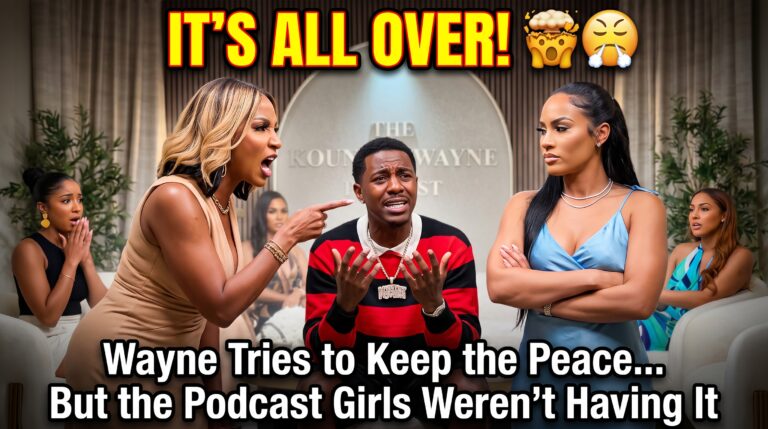
ZK…Wayne Reveals Why He Gave the Girls ZERO Backend
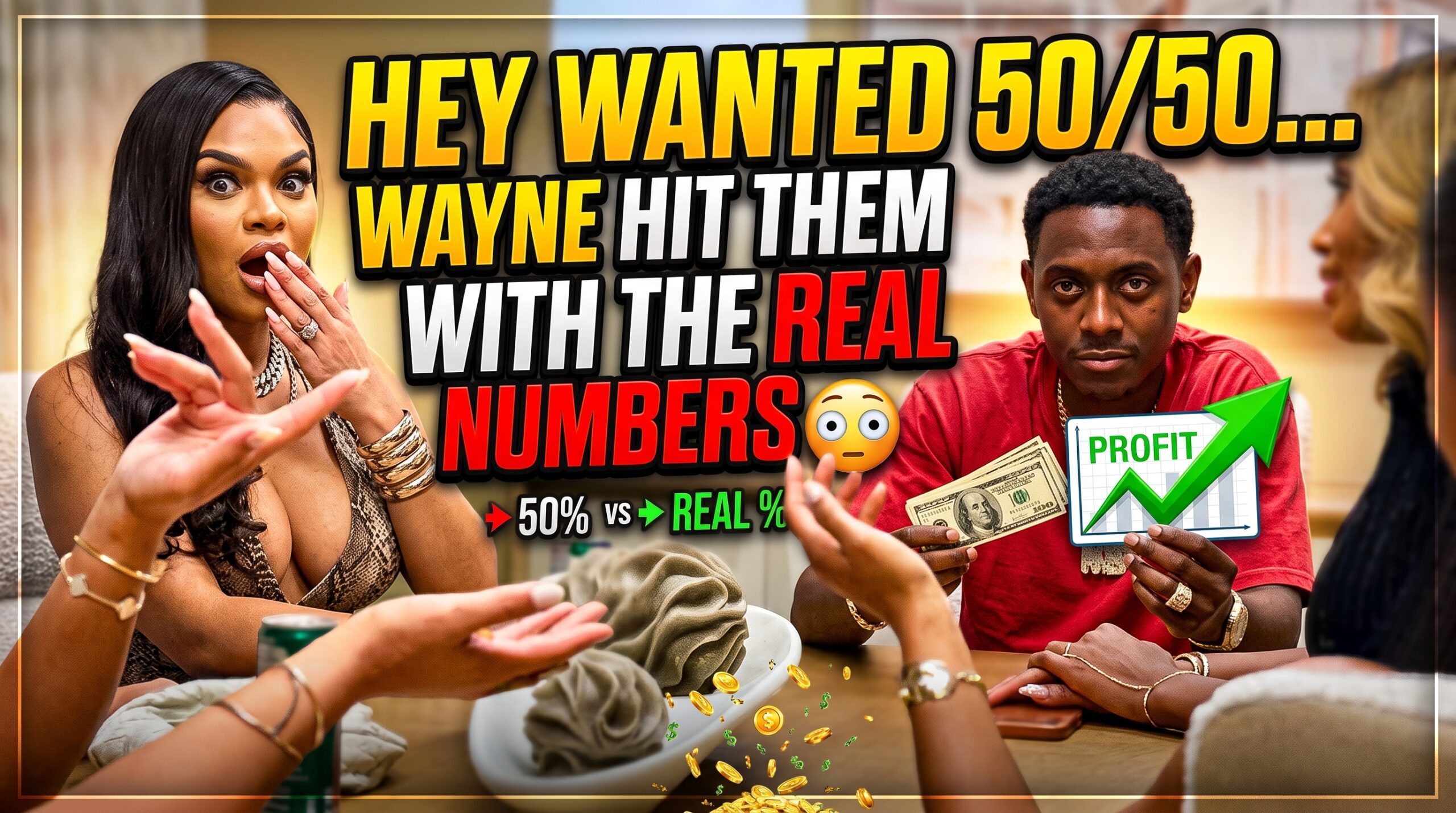

When Wayne Has to Humble the Podcast Girls: A Reality Check About Business, Money, and Influence
The world of entertainment can look glamorous from the outside. People see cameras, expensive clothes, social media followers, podcasts, and successful personalities, and it can be easy to assume that everyone involved should automatically receive a huge piece of the business. But behind the scenes, entertainment is still a business, and money decisions are often based on audience reach, revenue, experience, contracts, and measurable results.
That idea becomes the center of attention in Kountry Wayne’s comedy sketch, “When Wayne has to humble the podcast girls!” The video takes a funny situation and turns it into a larger conversation about money, confidence, business value, and the difference between being appreciated socially and being valuable commercially.
The Meeting Starts With a Serious Problem
At the beginning of the sketch, Wayne sits down with the women involved in his podcast project. What initially appears to be a normal business conversation quickly becomes uncomfortable when the discussion turns toward compensation.
The women are unhappy with the terms they have been offered. Their biggest issue is the lack of backend revenue. Instead of receiving a percentage of the money generated by the podcast, they are being treated more like employees who receive compensation for their work.
From their perspective, they are contributing their time, personalities, energy, and presence to the project. Because of that, they believe they deserve a larger financial stake.
The disagreement immediately creates tension because both sides are looking at the situation from completely different perspectives.
The girls are thinking about what they believe they deserve, while Wayne is thinking about what the business can justify.
Why the Backend Becomes Such a Big Deal
Backend compensation is one of the biggest issues in the conversation. For someone working on a successful entertainment project, receiving a percentage of future revenue can potentially be much more valuable than simply receiving a fixed payment.
That is why the women are frustrated.
They don’t want to feel like they are simply showing up, doing the work, and collecting a check while someone else receives all of the long-term benefits. They believe their contribution should give them some ownership of the success.
This makes the conversation relatable because similar disagreements happen in many businesses. Employees may believe their work deserves more money, while business owners may look at the numbers and determine that the current compensation is fair.
The comedy comes from watching both sides defend their positions with complete confidence.
The Girls Feel Undervalued
As the conversation continues, the women make it clear that they don’t simply see the disagreement as a money issue.
For them, it is also about respect.
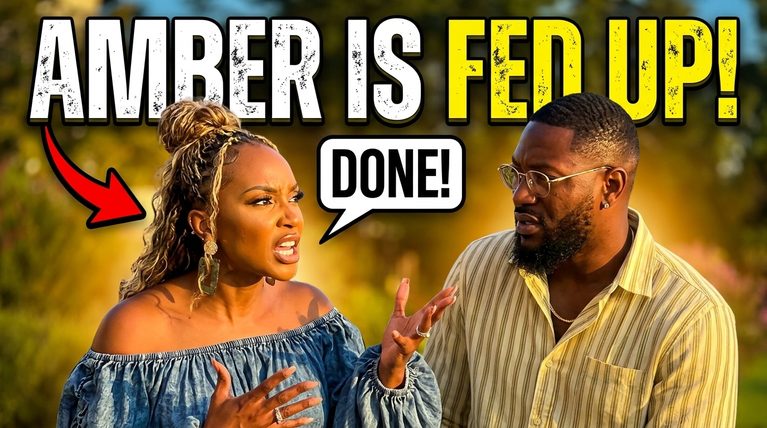
They feel that offering them no backend percentage sends a message that Wayne does not appreciate what they bring to the project. Amber becomes particularly direct, challenging Wayne about the way he is treating the women.
Her argument is essentially that their time, effort, personality, and appearance all contribute to the podcast’s appeal.
That makes the discussion even more entertaining because the women are clearly convinced that their presence should translate into stronger negotiating power.
But Wayne isn’t looking at the situation emotionally.
He wants to separate personal confidence from actual business leverage.
Wayne Changes the Conversation
This is where Wayne’s character becomes especially entertaining.
Instead of simply arguing about whether the women deserve more money, he changes the entire framework of the conversation.
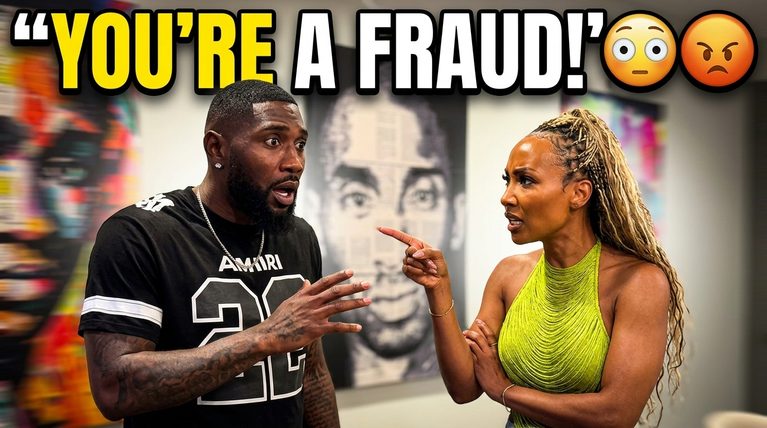
His argument is that being attractive, popular, or entertaining does not automatically mean someone deserves an equal percentage of a business.
In other words, Wayne wants them to understand that business value has to be demonstrated.
A person can be extremely talented and still not have the audience, revenue history, or brand power required to negotiate a major ownership percentage.
That distinction is one of the main reasons the scene works so well as comedy.
The women are negotiating based on how valuable they feel, while Wayne is negotiating based on how valuable they can prove themselves to be.
Beauty Is Not the Same as Business Leverage
One of the funniest parts of the sketch comes when Wayne challenges the idea that beauty automatically creates financial power.
His point is deliberately exaggerated for comedic effect, but there is a serious business lesson underneath it.
In entertainment, appearance can certainly help someone attract attention. However, attention alone doesn’t necessarily produce revenue.
A successful business needs viewers, engagement, consistent content, advertising opportunities, sales, and a loyal audience.
Wayne essentially asks the women to consider what they are individually bringing to the table beyond their appearance.
That question creates the awkwardness that makes the scene funny.
The women clearly believe they have significant value, but Wayne wants them to prove that value through actual results.
Wayne Brings Up Brand Power
The conversation becomes even more intense when Wayne compares their individual reach with his established platform.
This is where the negotiation takes another turn.
Wayne has already built an audience and recognizable entertainment brand. That existing platform gives him leverage when creating a new project.
From his perspective, the podcast benefits from the audience and attention that he has already created.
The women may contribute personalities and content, but Wayne believes the foundation of the business comes from his existing brand.
This is an important distinction in entertainment.
Someone entering an established project doesn’t necessarily receive the same percentage as the person who built the platform from the ground up.
The Reality of Audience Size
Audience size can dramatically affect negotiations.
If one person has millions of followers and another has a much smaller audience, the two people may contribute differently to the growth of a project.
That doesn’t mean the smaller creator has no value. It simply means their negotiating position may be different.
Wayne uses this idea to challenge the girls.
He essentially asks them to compare their individual audience reach with what he already brings to the table.
That moment turns the conversation from emotions into numbers.
And when money is involved, numbers can be difficult to argue with.
The Flattery Trap
Another memorable idea Wayne introduces is what can be described as the “flattery trap.”
His argument is that attractive women may receive a tremendous amount of positive attention in everyday social situations.
People laugh at their jokes.
People compliment them.
People may agree with them simply because they want their attention.
Over time, that constant validation can create unrealistic expectations about how valuable their opinions are in every situation.
Wayne argues that business doesn’t work that way.
A business negotiation isn’t supposed to be based on compliments or social approval.
It’s supposed to be based on performance, numbers, experience, audience reach, and results.
That distinction becomes the heart of his message.
Why the Argument Is So Funny
The sketch works because Wayne doesn’t present the lesson like a serious business lecture.
Instead, he delivers it through an uncomfortable and exaggerated confrontation.
The women are confident.
Wayne is confident.
Nobody wants to back down.
That creates the perfect setup for comedy.
The audience can recognize pieces of both sides. Anyone who has ever felt underpaid can understand why the women are frustrated. At the same time, anyone who has ever run a business can understand why Wayne doesn’t want to give away ownership without seeing measurable value.
The disagreement becomes funny because both sides believe they are completely right.
A Bigger Lesson About Knowing Your Worth
One of the most interesting lessons from the sketch is that “knowing your worth” isn’t simply about demanding more money.
Knowing your worth also means understanding what you can bring to the table.
If someone wants a higher salary, ownership percentage, or revenue share, they should ideally be able to explain why.
What audience do they bring?
How much revenue do they generate?
What responsibilities do they handle?
What skills do they provide?
How difficult would they be to replace?
These questions can turn a vague argument about worth into a measurable business discussion.
That is essentially what Wayne tries to force the women to do.
Confidence Versus Proof
Confidence is important in entertainment, but confidence alone isn’t enough.
Someone can walk into a meeting believing they deserve 50 percent of a project. The other person may believe they deserve 90 percent.
Without evidence, neither position necessarily means anything.
The strongest negotiation usually comes from combining confidence with proof.
If a creator can demonstrate that their presence dramatically increases views, subscribers, sales, sponsorships, or revenue, they have a stronger argument for a bigger share.
That is the difference between simply asking for more and negotiating from a position of leverage.
The Final Takeaway
“When Wayne has to humble the podcast girls!” is funny because it takes a familiar business disagreement and turns it into an entertaining confrontation.
The women want recognition and financial participation. Wayne wants them to understand that ownership must be connected to measurable business value.
Neither side wants to surrender.
The result is a hilarious clash between confidence and business logic.
Beyond the comedy, the sketch delivers a simple message: wanting more is easy, but proving that you deserve more is the difficult part.
In the entertainment industry, personality can open doors, beauty can attract attention, and confidence can help someone negotiate. But long-term leverage usually comes from results.
That is why Wayne’s “humbling” moment becomes more than just an argument about money. It becomes a lesson about understanding your audience, building your brand, measuring your contribution, and knowing the difference between being socially valued and commercially valuable.
And, of course, because this is Kountry Wayne, the lesson comes wrapped in plenty of comedy, awkward moments, and brutally honest conversations that keep the audience entertained from beginning to end.